





The retinoid ladder, in one minute
Every vitamin A product has to become retinoic acid in your skin before it does anything. How many steps that takes decides both how strong it is and how much it will irritate you.
Retinyl Palmitate is an ester: three conversions away. Gentlest, most stable in light, slowest. Retinol is two conversions away: the standard, with the most studies and the famous adjustment period. Retinaldehyde, usually sold as retinal, is one conversion away: faster and stronger, pricier, and still manageable for most skin at low percentages. Retinoic acid itself is prescription only.
The mistake is reading this as a league table. Each rung works. A higher rung works faster, and the price is paid in dryness, flaking, and the three weeks where your skin looks worse. The right rung is the one you will use three nights a week for a year without stopping, because consistency is what the studies measured.
How we ranked them
- Does it state the form and the percentage of vitamin A. If a brand will not tell you, it is not on the list.
- Tolerance: how many nights a week a typical beginner can use it without the barrier breaking down.
- What else is in the formula to support the skin while the retinoid works, or to do the collagen work alongside it.
- Stability. Retinoids degrade in light and air; packaging and ester choice matter.
- Price per month at the recommended dose.
We did not rank on speed to first flake.
The six, ranked from gentlest to strongest
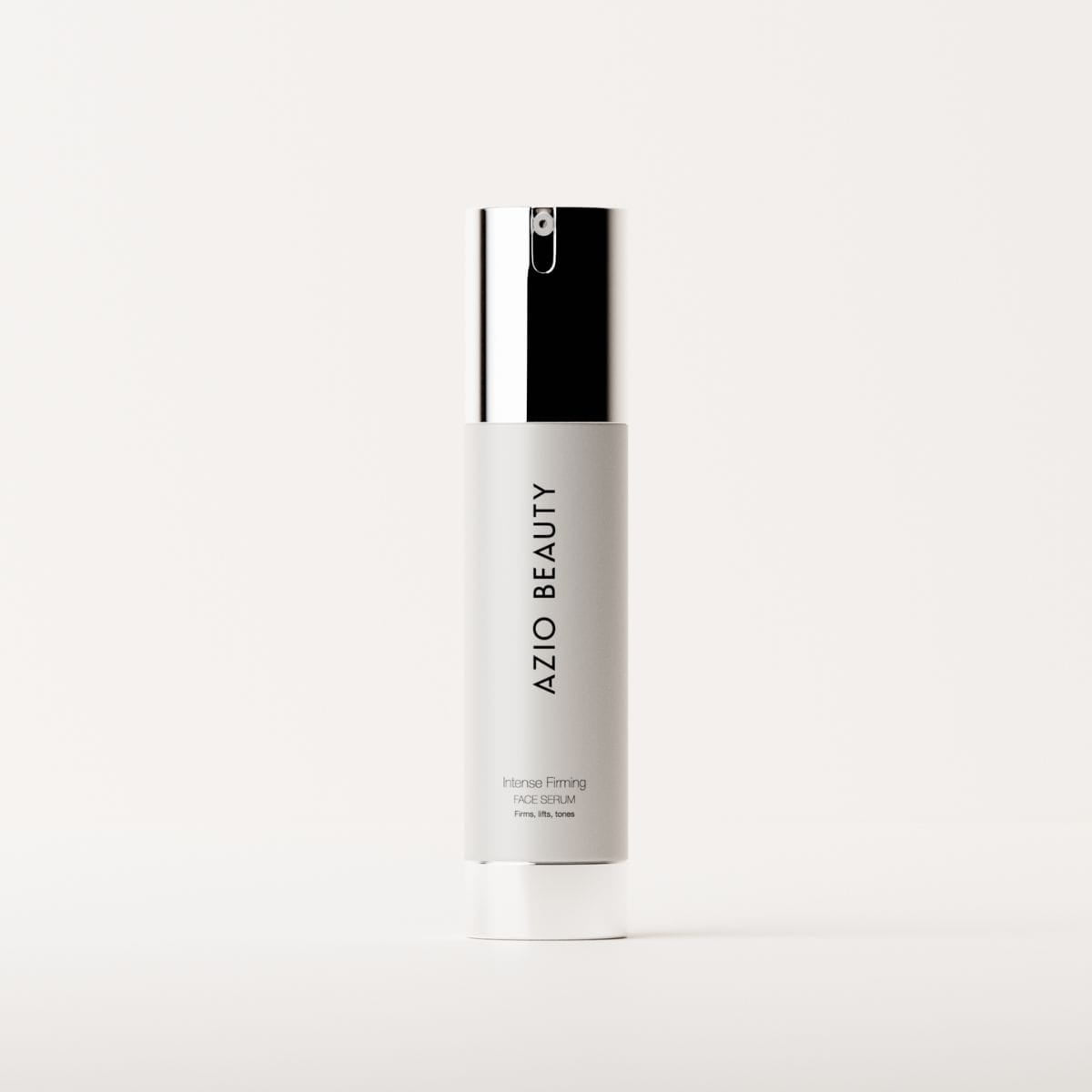
Azio Beauty Intense Firming Face Serum
Form and strength: Retinyl Palmitate, the retinol ester, alongside Copper Tripeptide-1, Acetyl Hexapeptide-8 (Argireline), Sodium Ascorbyl Phosphate, Panthenol, Vitamin E, and Biotin. 50ml, £24. Fragrance free.
Why it won: because for most people the best retinol serum is the one that does not end up in a drawer. Retinyl Palmitate converts to retinoic acid through three enzymatic steps, which acts as a natural rate limiter: the skin gets a steady, low supply rather than a dose it has to tolerate. That is why it can be used nightly from day one on sensitive skin, and why it holds up in daylight better than retinol does. On its own that would make it a gentle rung. What moves it to first is the company it keeps. Copper Tripeptide-1 signals fibroblasts to make collagen directly, and Argireline softens expression lines through a separate mechanism altogether, so the firming result does not depend on the retinoid alone. Most retinol serums ask one ingredient to do everything. This one shares the work.
What we'd change: if you have used 0.5% retinol for two years without trouble, this will feel slow. It is the right starting rung and the right rung for reactive skin; it is not the strongest thing you can buy, and it does not pretend to be. The ester percentage is not published, and we would prefer that it were.
Who it's for: anyone who has tried retinol and stopped, anyone with sensitive or rosacea-prone skin, and anyone who wants the peptide work done in the same bottle.
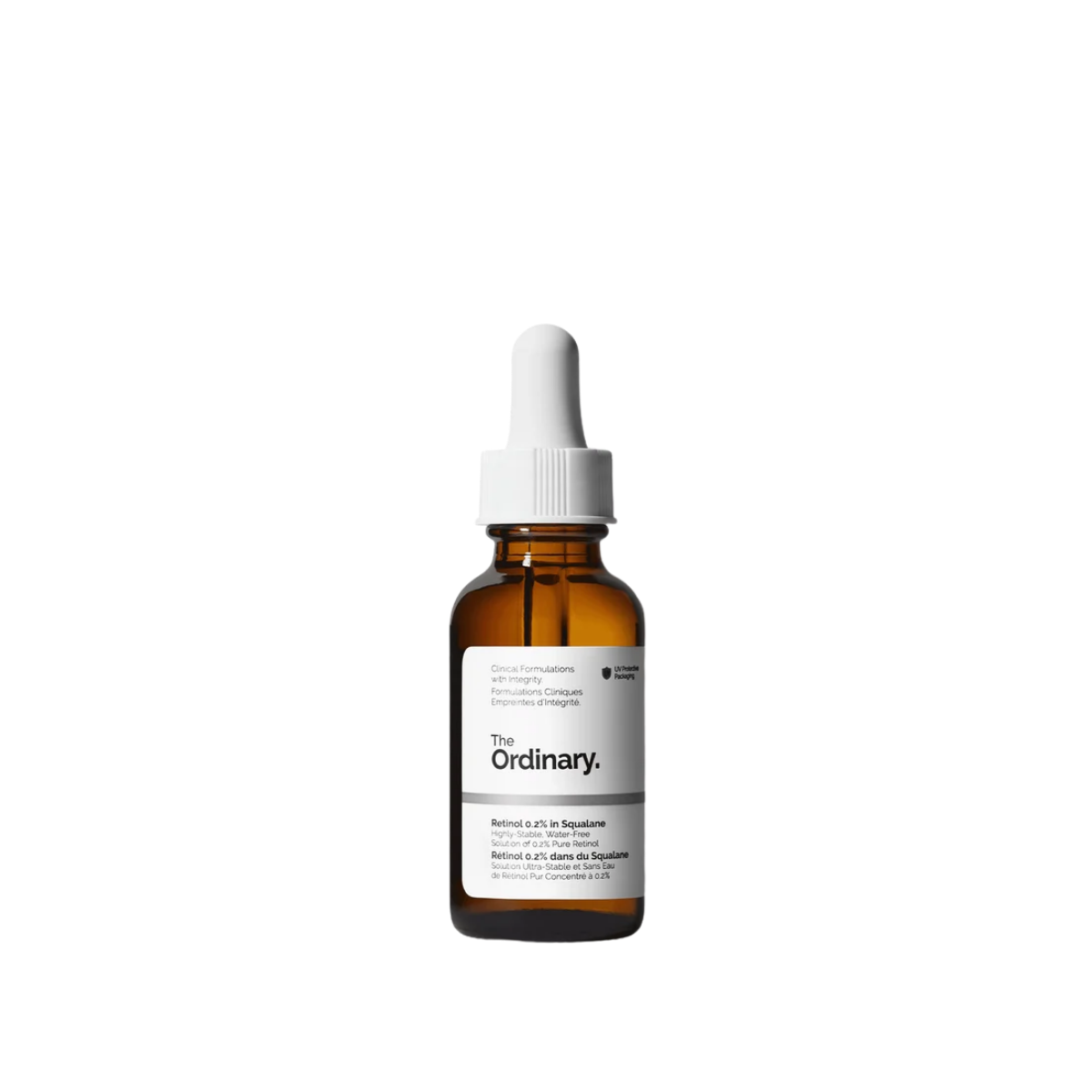
The Ordinary Retinol 0.2% in Squalane
Form and strength: 0.2% pure retinol in a squalane base. 30ml, around £7.
Why it ranks: it is the cheapest honest entry point to true retinol. The squalane base buffers the dryness, the percentage is low enough to start at two nights a week, and the label tells you exactly what you are getting.
What we'd change: it is retinol and nothing else. No peptides, no niacinamide, no barrier support beyond the oil, so you will be buying those separately. The oily finish is not for everyone under a night cream.
Who it's for: the reader who wants to test true retinol at the lowest possible cost before deciding whether to go further.
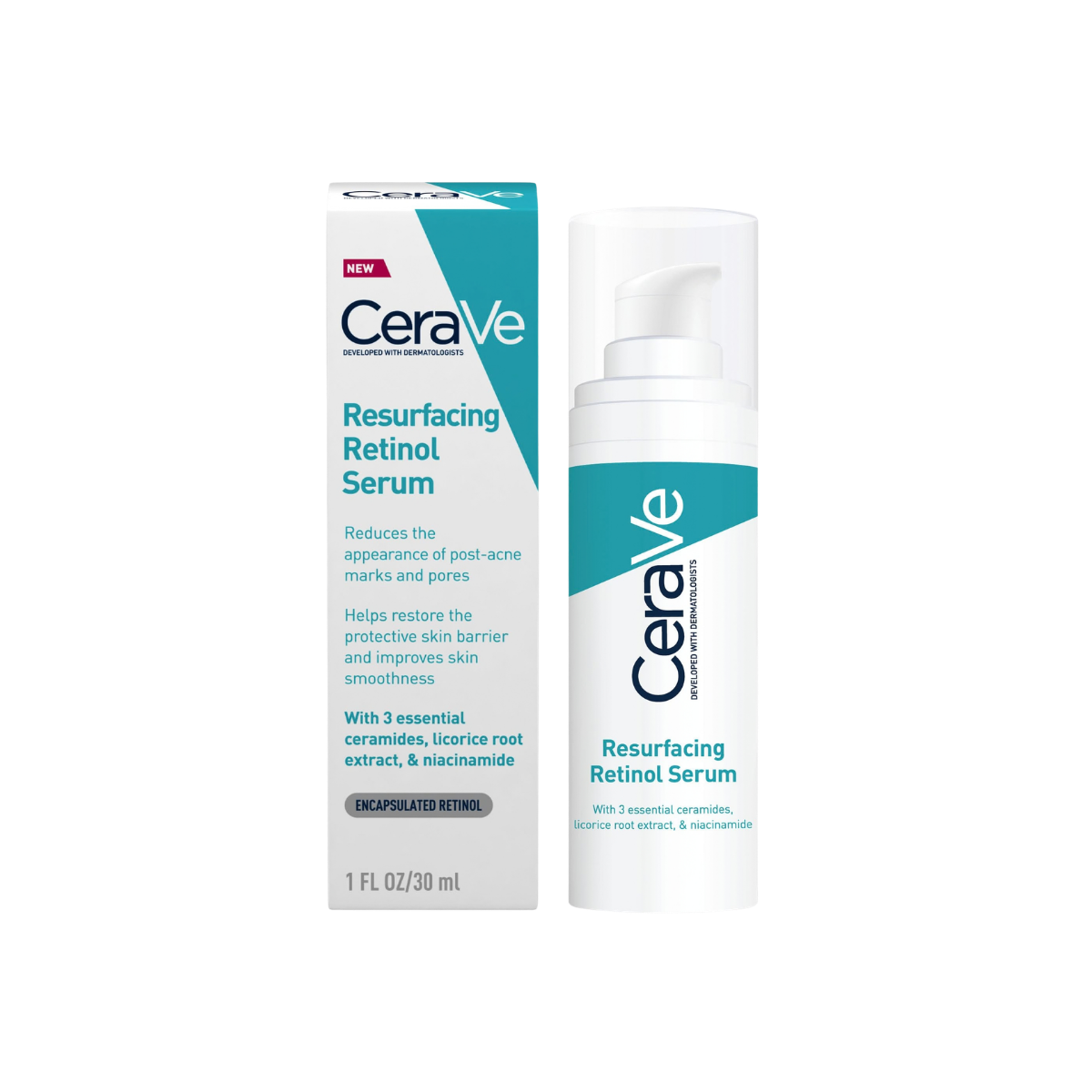
CeraVe Resurfacing Retinol Serum
Form and strength: encapsulated retinol, percentage not disclosed, with three ceramides, niacinamide, and liquorice root. 30ml, around £20.
Why it ranks: encapsulation releases the retinol slowly, which lowers the irritation of a given dose, and the ceramide base repairs as it goes. It is the serum dermatologists most often name for texture and post-blemish marks, and it layers well.
What we'd change: the percentage is not published, which makes it hard to place on the ladder with confidence. Our best estimate is low-to-mid. It is also aimed at marks and pores first, lines second.
Who it's for: combination or blemish-prone skin that wants smoother texture with a cushion built in.
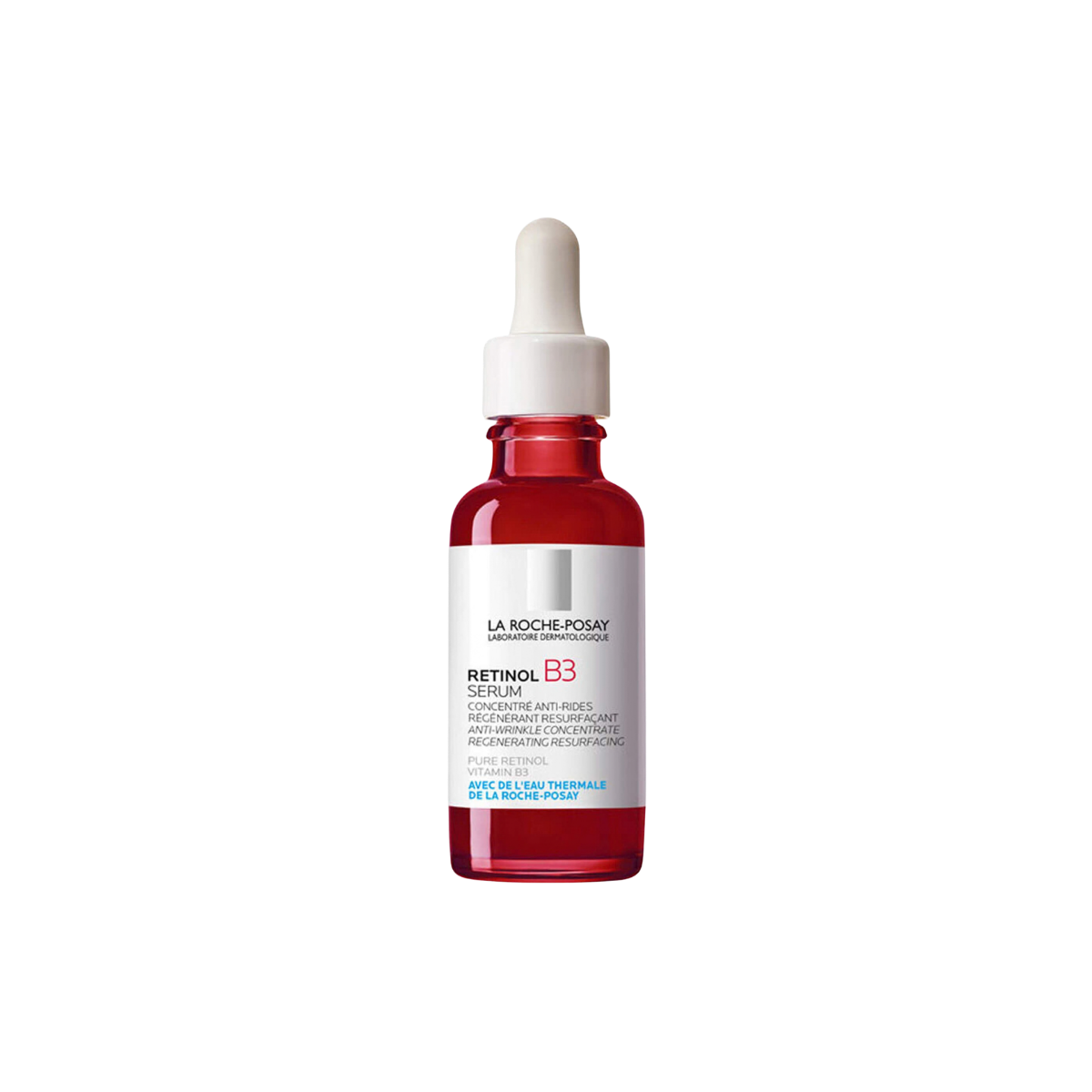
La Roche-Posay Retinol B3 Serum
Form and strength: 0.3% retinol, part pure and part gradual-release, with niacinamide. 30ml, around £38.
Why it ranks: 0.3% is the dose where retinol starts showing on lines in the published studies, and the two-speed delivery takes the edge off. The niacinamide is at a working level. This is the serious middle of the ladder.
What we'd change: the price per millilitre is high for a pharmacy brand, and it has fragrance. Expect some adjustment in weeks two to four if you come to it directly from nothing.
Who it's for: anyone who has done six months on a low rung and wants a genuine step up with the dose written on the box.
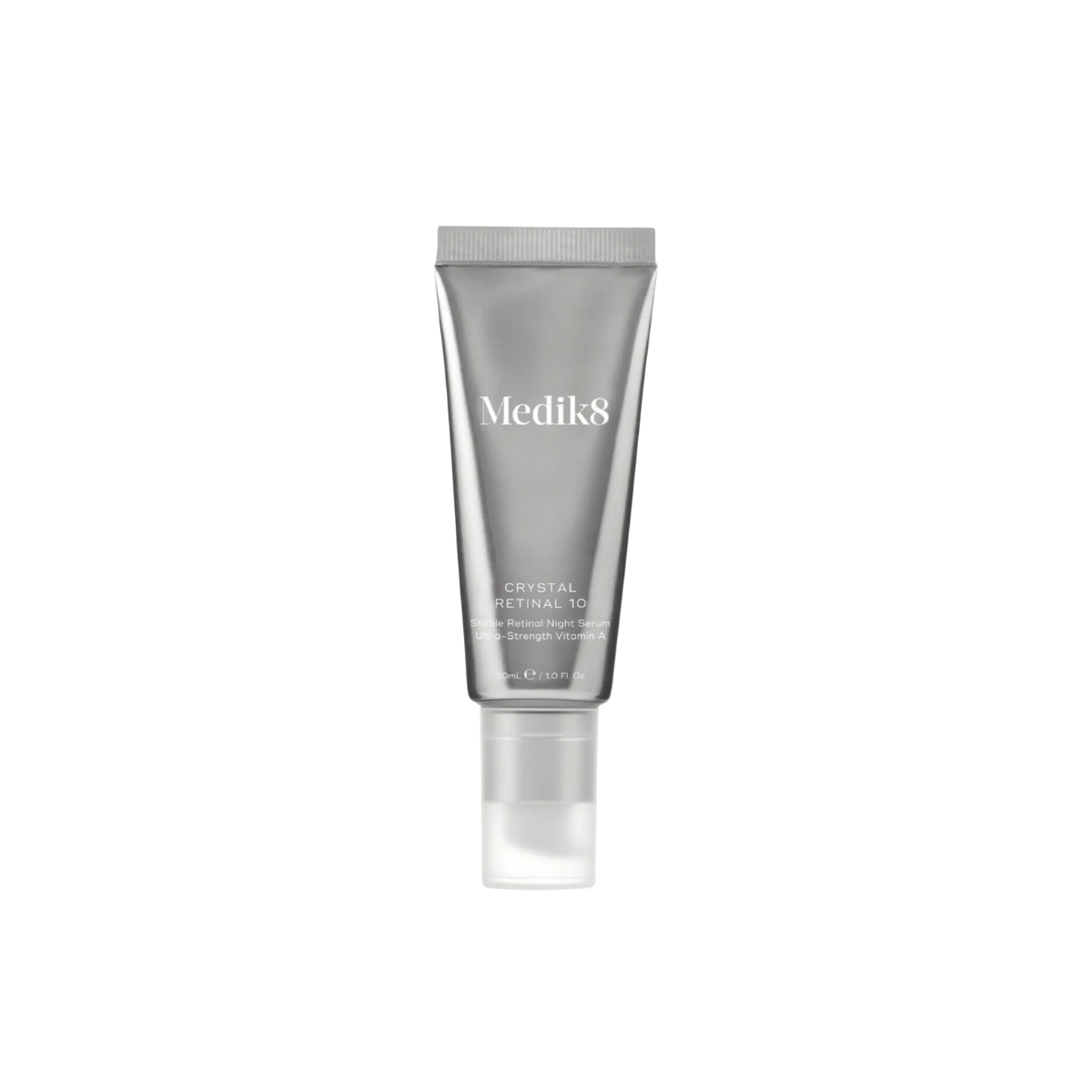
Medik8 Crystal Retinal 3
Form and strength: 0.03% stabilised retinaldehyde, with hyaluronic acid and vitamin E. 30ml, around £45.
Why it ranks: retinal is one step from retinoic acid, so 0.03% behaves like a considerably higher retinol. Medik8's version is stable and comes in a numbered range, so you can climb from 1 to 3 to 6 without changing brands. For experienced users it is the most efficient route to results on this list.
What we'd change: the cost adds up across the range, and the yellow tint and faint smell of retinal put some people off. Start on Crystal Retinal 1 if you are not sure.
Who it's for: someone who has used retinol for a year or more, tolerates it well, and wants more.
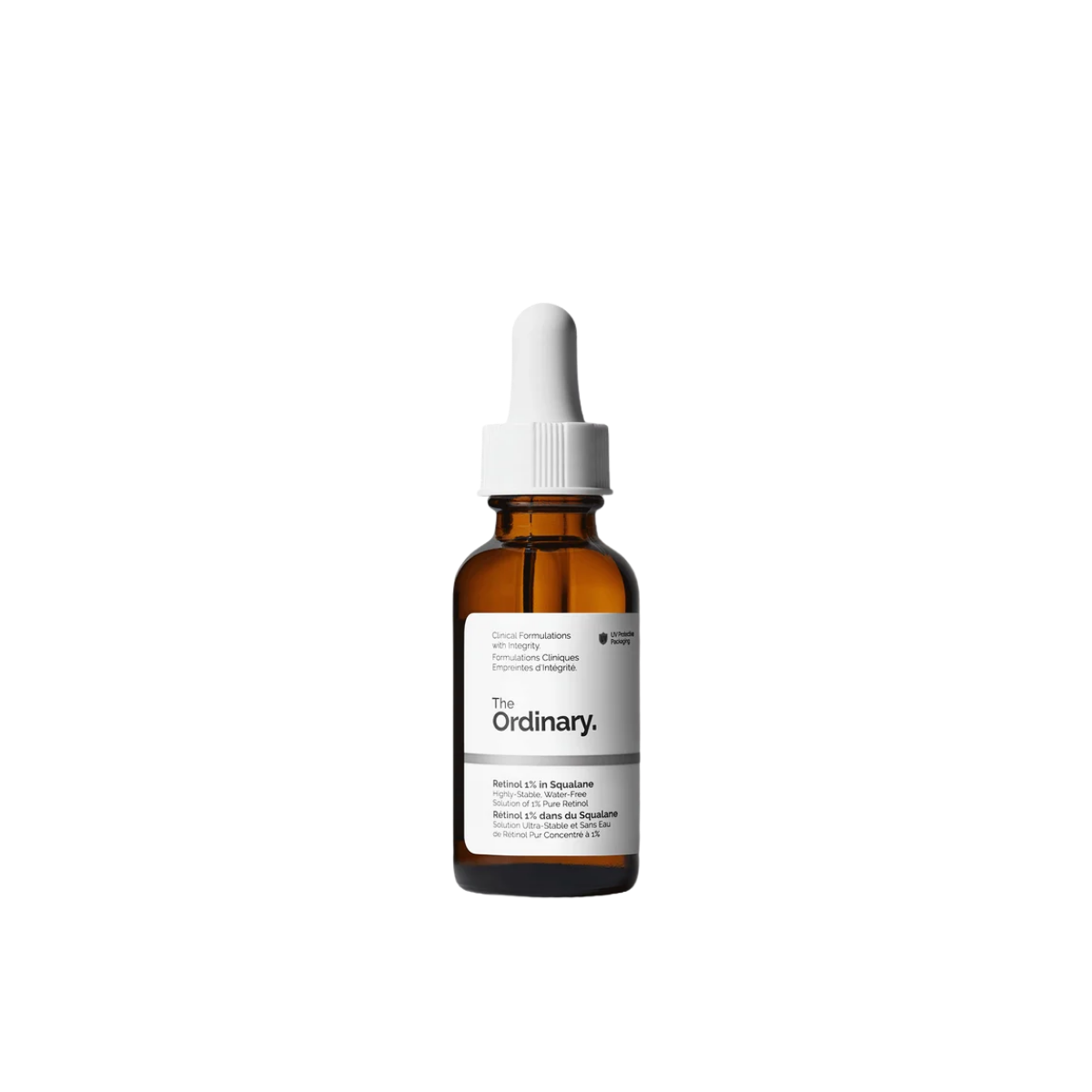
The Ordinary Retinol 1% in Squalane
Form and strength: 1% pure retinol in squalane. 30ml, around £8.
Why it ranks: it is the strongest retinol you can buy without a prescription, at a price that makes the strength almost suspicious. Used correctly by someone with years of tolerance, it works.
What we'd change: almost nobody should start here, and a good many people who buy it do. One per cent pure retinol with no buffering beyond squalane will strip a barrier in a fortnight. The low price makes a bad decision very easy.
Who it's for: experienced users only, and even then as a once or twice a week treatment rather than a nightly serum.
Side by side
Azio Intense Firming Face Serum
The Ordinary Retinol 0.2% in Squalane
CeraVe Resurfacing Retinol Serum
La Roche-Posay Retinol B3
Medik8 Crystal Retinal 3
The Ordinary Retinol 1% in Squalane
£ high street · ££ mid · £££ luxury
How to start retinol without the purge
The adjustment period is not compulsory. It is what happens when the dose outruns the skin.
- Pick the rung below the one you think you can handle. You can always climb; a stripped barrier takes a month to come back.
- Night only, on clean, dry skin. Damp skin absorbs faster and stings more.
- A pea-sized amount for the whole face. More does not work better; it works harsher.
- Two nights a week for the first fortnight, three for the next month, then nightly if your skin is calm. On the gentlest rung you can go nightly from the start.
- Buffer if you need to: moisturiser first, retinoid on top, for the first few weeks.
- Keep acids and vitamin C for the morning while you adjust. Niacinamide and peptides are fine alongside.
- SPF 30 or higher every morning, without exception. Retinoids make new skin; the sun undoes it.
- Skip retinoids altogether if you are pregnant or breastfeeding, and ask your GP or pharmacist what to use instead.
Questions people ask
The one you use consistently for 12 months. In trial conditions, higher strength and retinal both work faster, which is why Medik8's Crystal Retinal 3 is the most potent formula on this list. In real bathrooms, most people abandon strong retinoids by week four, and an abandoned serum has an efficacy of nil. Match the strength to your tolerance and the most effective serum is whichever rung you stay on.
Start on the lowest rung and climb. The Azio Intense Firming Face Serum is the best retinol for beginners here because the ester form can be used nightly from day one and the peptides give you a firming result while the retinoid builds. If you want true retinol from the start, The Ordinary's 0.2% is the sensible first percentage.
Between 0.1% and 0.3% for pure retinol, two or three nights a week. Anything labelled 1% is for people with a year or more of tolerance. If a product does not state the percentage, assume it is low and treat that as a feature, not a flaw, when you are starting out.
Per gram, no. It is three conversions from retinoic acid where retinol is two, so it delivers less active per application. Per year of actual use, the gap narrows considerably, because it can be used more often, on more skin types, with far less interruption. That is the trade, and it is a good one for sensitive skin. The honest way to use it is as a foundation rung or alongside peptides, which is exactly how the Azio serum is built.
The brand that prints the form and the percentage on the box. Four of the six above do. Among them, The Ordinary is the best for budget and transparency, La Roche-Posay for the dependable middle, Medik8 for a numbered climb, and Azio for the rung most people should be on and are not.
All six are available in the UK at the prices above. For most UK skin, which is paler, drier, and more sun-sensitive than the global average these roundups are written for, the lower rungs are the better bet, and the Azio serum is our pick.
Starting at 1%. Mixing a retinoid with glycolic acid on the same night. Using it in the morning without SPF. Stopping at week three because your skin is flaking, which is the week before it stops.
Retinol has been dramatised for 30 years. It works. It just does not require a campaign, or a crisis.